What Are OEM Parts?
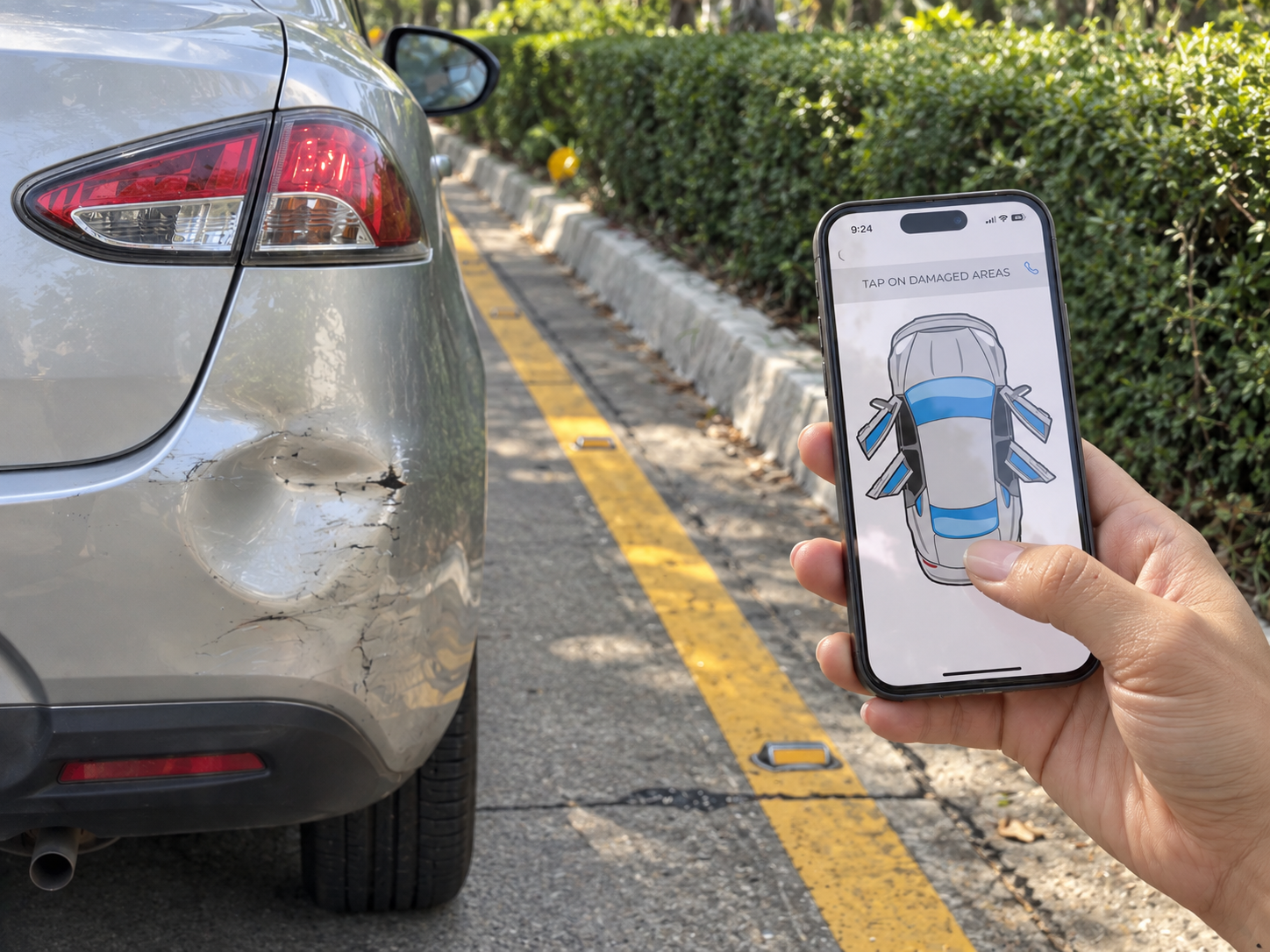
OEM stands for Original Equipment Manufacturer. An OEM part is the exact component your vehicle’s maker built it with, not a copy. After a collision, the parts on your estimate can come from very different places, and that choice affects your safety, your safety systems, and your car’s value long after the repair.
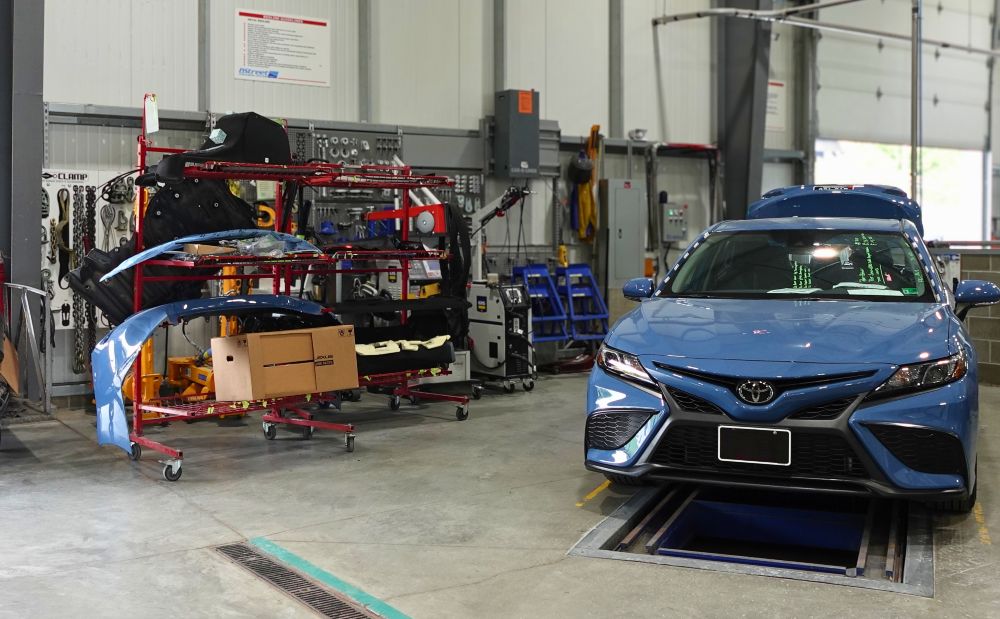
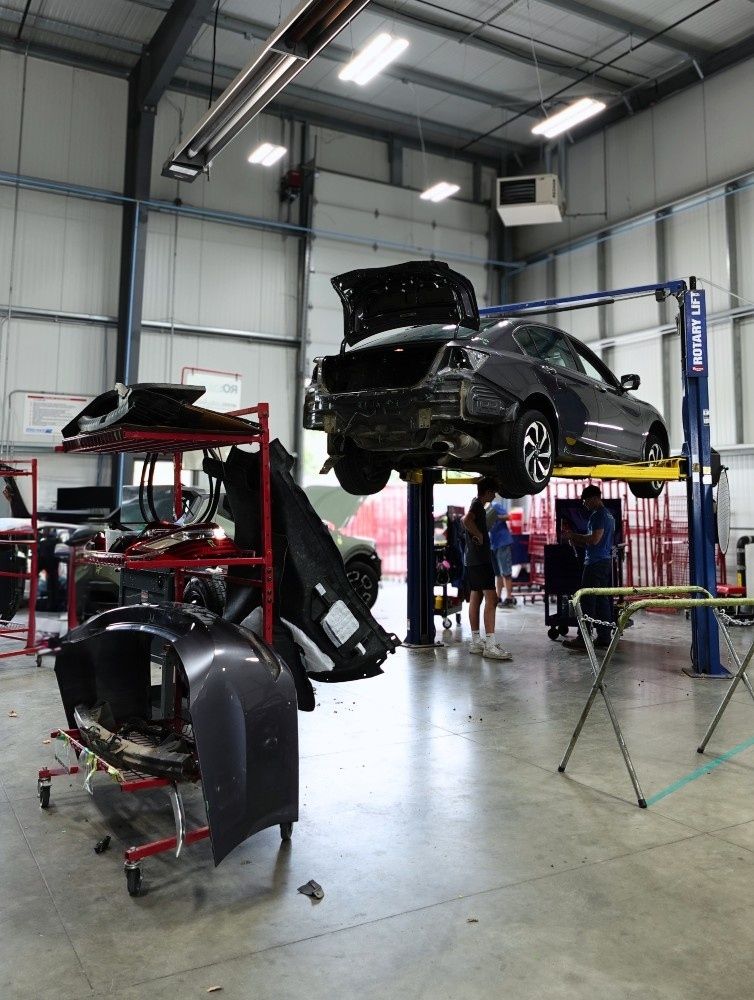
We use genuine OEM parts and follow the manufacturer’s instructions for reassembling your vehicle whenever possible.
CERTIFIED TECHNICIANS
Technicians trained to meet factory standards
LOCATIONS IN FOUR STATES
Nebraska, Kansas, Wisconsin, and Missouri
FAMILY OWNED AND OPERATED
Family ownership focused on long-term trust.
What are OEM Parts? A plain English guide by B Street Collision Center.
When your Toyota is repaired with Toyota OEM parts, or your Ford with Ford OEM parts, you are getting the same fender, bumper reinforcement, sensor bracket, or windshield that the factory engineered for that exact vehicle.
An OEM part is not a lookalike of your car’s part. It is your car’s part.
Most explanations of OEM stop at “it is better,” and leave you no clearer than before. We will show you what OEM means, how it differs from the alternatives, and why the manufacturer itself says it matters.
We use OEM parts whenever possible. For some older vehicles, it is not possible to get them. It is all backed by our Lifetime Warranty at all B Street and Ball Body Shop locations across four states.
Information on What OEM Parts Are and Why: Go to 0:52 for parts coverage. All manufacturers require OEM parts to keep the warranty intact.
Did You Know the Manufacturer Puts in Writing How Your Car Must Be Repaired for Us to Follow?
This is the part almost no body shop explains, and it is the strongest reason to insist on OEM Parts.
Automakers do not just build cars. They specify how body shops must repair vehicles and which parts are acceptable.
As an OEM Certified body shop, we must adhere to the engineering guidelines.
In plain terms, a position statement is the manufacturer putting in writing: this is how our vehicle has to be fixed to protect the people inside it.
Across the industry, they consistently say the same things:
- Structural and safety parts should be OEM because aftermarket versions are not tested to the manufacturer’s standards and may compromise the vehicle’s crash protection.
- The vehicle must be repaired according to the documented procedure, not a generic shortcut, because modern safety depends on specific parts being installed in a specific way.
- Imitation parts can compromise fit, crash energy management, corrosion protection, and the aim of the cameras and sensors that run your driver-assistance systems.
When B Street repairs your vehicle with OEM parts, we follow the manufacturer’s instructions to keep you safe.
You must check insurance coverage for reimbursement in some cases. Not all insurance plans pay for OEM parts.
OEM, Aftermarket, and Used: What You Are Actually Being Offered:
OEM (Original Equipment Manufacturer).
Made or authorized by your vehicle’s maker, built to exact factory specifications, and designed to fit and perform like the original because it is the original.
Aftermarket. Made by third parties that imitate the OEM part.
Not made or approved by your manufacturer, and thickness, metal grade, mounting points, and finish can vary. Insurers often prefer them because they cost less.
Recycled or used. A genuine OEM part salvaged from another vehicle.
Real OEM, but with unknown age, mileage, and wear.
Remanufactured. A used part rebuilt to working order, where quality depends entirely on who rebuilt it.