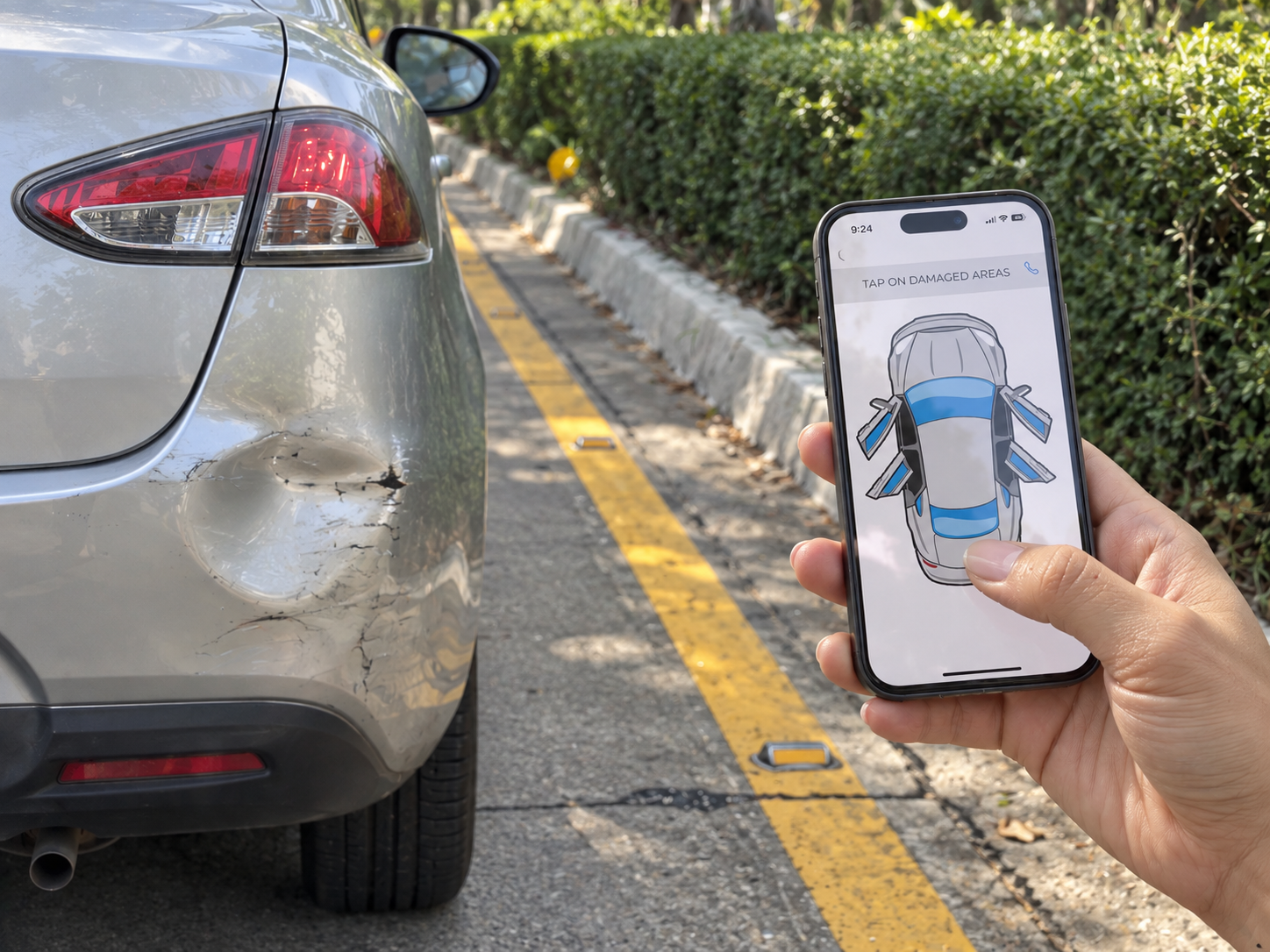
Aluminum Repair
Aluminum is not steel, and it can’t be repaired like steel. It can’t take the same heat; it can’t be welded the same way, and it won’t hold up when straightened like steel.
A body shop that treats your aluminum vehicle like an ordinary car hands it back looking fixed, but it’s weaker than the factory built it. B Street Collision is aluminum certified, and we repair it right!
CERTIFIED TECHNICIANS
Technicians trained to meet factory standards
LOCATIONS IN FOUR STATES
Nebraska, Kansas, Missouri, and Wisconsin
FAMILY OWNED AND OPERATED
Family ownership focused on long-term trust.

B Street Collision Center is Certified in Aluminum Repair
B Street Collision Center is an aluminum certified collision center. Our certified technicians are masters of aluminum repair and can restore any aluminum body part to its factory specifications.
We repair aluminum structures and panels in a dedicated, isolated repair area using manufacturer-specified riveting, flow-drill screw, and structural bonding procedures rather than steel welding.
Our certifications are required to source genuine aluminum structural parts that automakers restrict to approved facilities.
Aluminum makes vehicles lighter and stronger, but in doing so, it makes them harder to repair. The Ford F-150, Audi, Jaguar, Land Rover, Tesla, BMW, and much of the Mercedes lineup are built with aluminum that requires specialized tooling and factory training that most body shops simply do not have.
Fewer than a small fraction of collision centers hold aluminum certification, and B Street Collision is one of them.
Every repair we do is backed by our lifetime warranty at all B Street Collision and Ball Body Shop locations across four states.
Because aluminum that was patched and aluminum that was repaired the right way are not always the same thing. Closing that gap is the whole point of a dedicated, contamination-free aluminum repair.
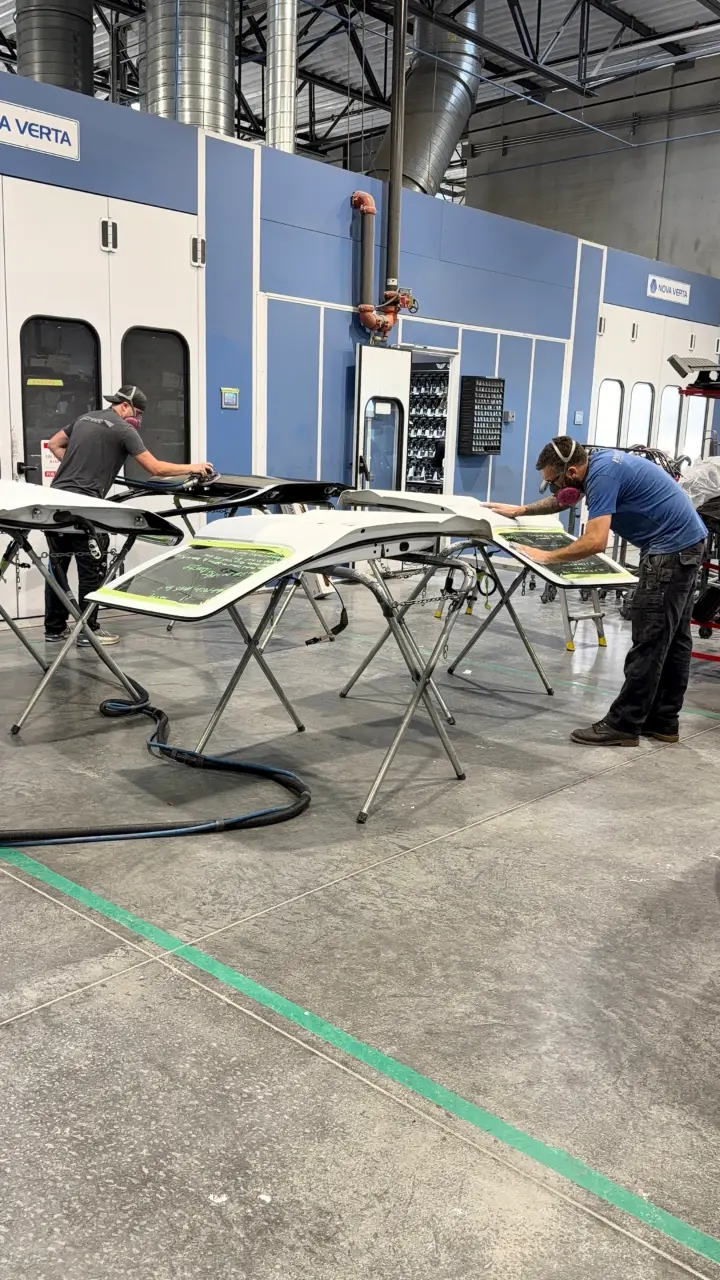
Did You Know Aluminum Has To Be Repaired In A Seperate Room From Steel?
This is the detail almost no body shop will tell you, and it is the entire reason aluminum certification exists. Aluminum and steel cannot share a repair space.
When steel dust from grinding a normal car settles on an aluminum panel, it embeds in the softer metal and starts galvanic corrosion from the inside out. You will not see it until it has already spread.
Here is what a real aluminum repair requires:
- A physically isolated aluminum repair area with its own dust extraction, so steel particles never reach your panels.
- Dedicated aluminum-only tools, from sanders to hammers, that never touch steel and never carry contamination back to your car.
- Rivets, flow-drill screws, and structural adhesive, not welds, because aluminum is joined the way the manufacturer engineered it, not the way a steel panel is patched.
- Strict heat limits, because aluminum can only take so much heat and so many heat cycles before it loses strength. And you can’t tell by looking.
Skip any one of those, and the panel can look perfect while being compromised underneath.
Some Vehicles That Require a Certified Aluminum Repair
And The Repairs That Require It
- Ford F-150 (2015 and newer) and Super Duty aluminum cabs and beds
- Audi & BMW aluminum and multi-material models
- Jaguar and Land Rover / Range Rover aluminum-intensive vehicles
- Tesla Model S and Model X aluminum structures
- Mercedes-Benz aluminum-bodied models
- Other aluminum and mixed-material vehicles across all makes
WHY IS B STREET COLLISION CENTER CERTIFIED FOR ALUMINUM REPAIR?

We join it the way the manufacturer engineered it. Aluminum structure is repaired with rivets, flow-drill screws, and structural adhesive, not welded and filled like steel. That is the difference between a panel that looks fixed and one that is actually safe.
We keep aluminum isolated from steel. Our aluminum work has its own dedicated area and tools, so your panels never pick up steel contamination that can cause corrosion later.
We can get the parts most shops cannot. Automakers restrict genuine aluminum structural parts to certified facilities, so a shop without certification often cannot even order the parts your car needs. We can.
We stand behind it with a lifetime warranty. From the same shop that has repaired vehicles the right way since 1978.
Closing that gap is the whole point of proper aluminum repair.
Some panels are non-repairable by design.
The manufacturer designates certain aluminum components as replace-only, meaning they cannot be straightened or filled and must be replaced. A shop that fills one to save the part has left you with a structure that will not perform in the next crash. We follow the repair-or-replace procedure exactly and show you where your car falls under it.
Heat is the silent killer.
Too much heat during a repair permanently weakens aluminum, and nothing about the finished panel will look wrong. We stay inside the manufacturer’s temperature and heat-cycle limits for a reason you will never see but will absolutely depend on.
Corrosion protection at the seams.
Salt across Nebraska, Kansas, Wisconsin, and Missouri finds every repair joint. We apply the manufacturer-specified corrosion protection at aluminum seams so the repair does not start rusting the following spring.
Aluminum structure and your sensors.
Structural aluminum carries the brackets your cameras and radar mount to. Repair it out of specification, and the safety systems aim wrong, so we measure to factory tolerance and recalibrate what the repair affects.

What to Know About B Street Collision Center Aluminum Repair
Because a general shop is set up for steel and welding, and aluminum needs a separate repair area, specific rivet-and-bond tooling, and factory training.
Working aluminum in a steel environment also contaminates it and starts corrosion. Automakers run aluminum certification programs for exactly this reason.
At B Street Collision Center, we are Aluminum Certified to do it correctly.
Usually yes. Aluminum structure is engineered to be joined with rivets and adhesive, and welding or filling a section meant for those methods changes how the vehicle handles a crash.
It can look identical and be compromised underneath. We use the joining method the manufacturer specifies for each spot.
Aluminum requires more equipment, a separate work area, more expensive parts, and more labor time, and certain panels have to be replaced rather than repaired. The extra cost is the certification and process that keep the vehicle safe, not padding.
It depends on the damage and the manufacturer’s rules. Some aluminum components are designated replace-only and cannot be straightened or filled. We check your damage against the factory procedure and tell you honestly which it is.
It is corrosion that starts when steel particles embed in aluminum. If aluminum is worked in the same space as steel, that dust settles into the panel and rusts it from the inside.
Keeping aluminum isolated with its own tools is how we prevent it.
Yes. Automakers restrict genuine aluminum structural parts to certified facilities, and B Street holds that certification, so we can order and install the parts your vehicle actually requires.
When it is repaired to the manufacturer’s aluminum procedure with genuine parts, yes.
That is the whole point of certified repair, and it is what a non-procedure repair cannot promise.